
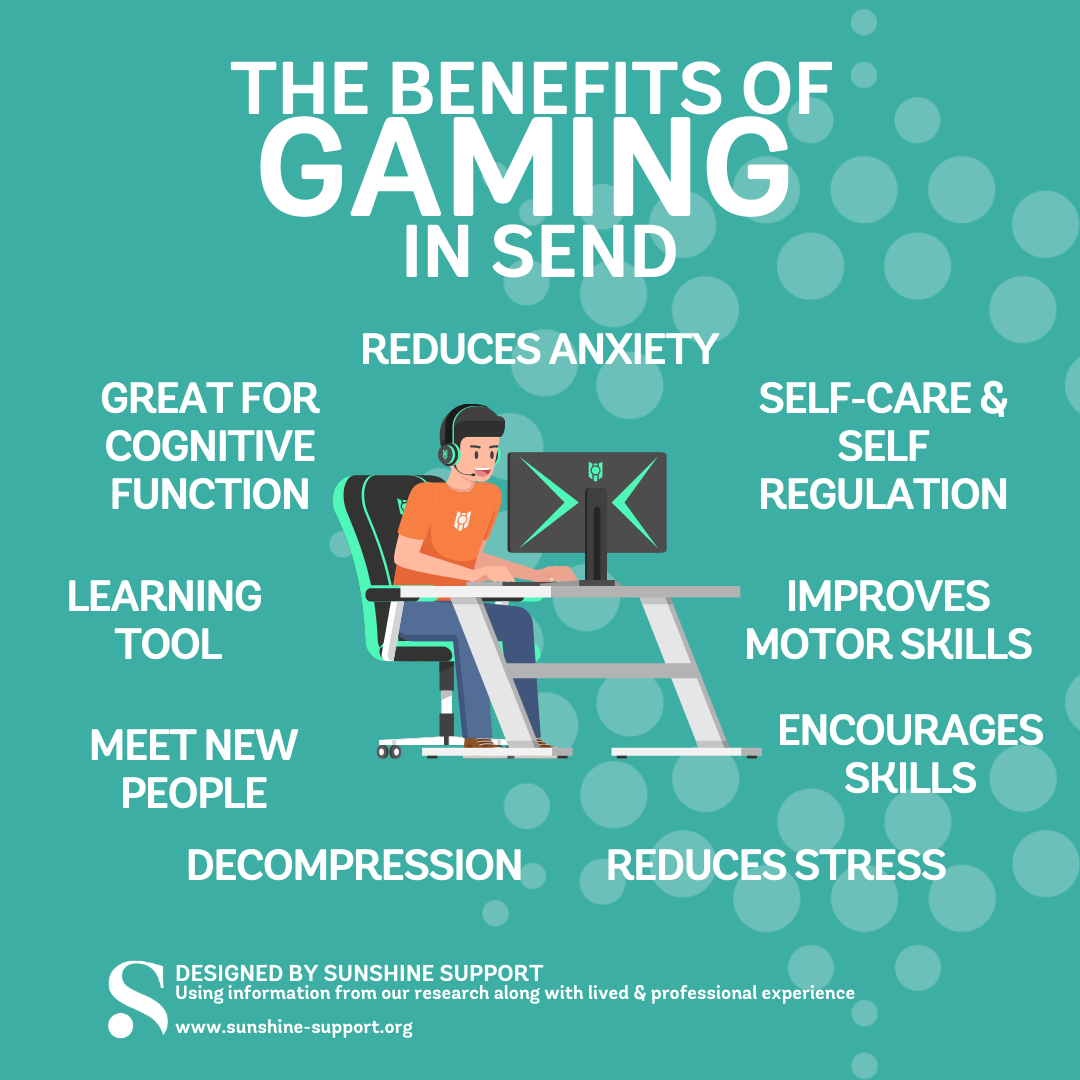
Benefits of playing video games take center stage in today’s digital age. From improving hand-eye coordination to fostering social skills and enhancing educational outcomes, the world of gaming offers a myriad of advantages that often go unnoticed. Let’s delve into the various aspects that make gaming not just a form of entertainment but a tool for growth and development.
Health Benefits
Playing video games offers various health benefits that go beyond mere entertainment. These benefits can positively impact hand-eye coordination, cognitive functions, stress levels, and decision-making skills.
Improved Hand-Eye Coordination
Playing video games requires quick reactions and precise movements, which can help enhance hand-eye coordination. The need to coordinate visual information with physical actions can lead to improved dexterity and reflexes.
Enhanced Cognitive Functions
Video games often involve problem-solving, strategic thinking, and memory challenges, which can stimulate various areas of the brain. This mental engagement can lead to improved cognitive functions, such as better concentration, attention to detail, and multitasking abilities.
Reduced Stress Levels
Engaging in video games can serve as a form of stress relief and relaxation. Immersing oneself in a virtual world can help distract from real-life stressors and provide a sense of escapism. Additionally, the sense of accomplishment and progress in games can boost mood and reduce anxiety levels.
Improved Decision-Making Skills
Many video games require players to make quick decisions under pressure, consider various outcomes, and adapt to changing situations. This constant need for decision-making can help improve real-life decision-making skills, such as weighing options, thinking critically, and evaluating risks.
Social Benefits
Video games are not only about playing alone; they also offer numerous social benefits that can enhance interpersonal skills and relationships.
Teamwork and Collaboration
Many video games require players to work together towards a common goal, promoting teamwork and collaboration. For example, in multiplayer games like “Fortnite” or “Overwatch,” players must communicate and coordinate strategies to achieve victory.
Development of Social Skills
Online gaming communities provide a platform for individuals to interact with others from diverse backgrounds, helping in the development of social skills such as communication, empathy, and conflict resolution. Players can engage in discussions, form alliances, and learn to respect differing opinions.
Multiplayer vs. Single-Player Games
- Multiplayer games offer more opportunities for social interaction as players can team up with friends or meet new people online. These games often involve communication and coordination with others, fostering social connections.
- On the other hand, single-player games can also have social benefits by providing a shared experience for individuals to discuss and bond over. Players can exchange strategies, tips, and stories with others who have played the same game.
Building Friendships and Relationships
Video games can act as a catalyst for building friendships and relationships, especially in online multiplayer games where players form strong connections through shared experiences. Many individuals have met their close friends or even romantic partners through gaming communities.
Educational Benefits
Video games have proven to be valuable tools for enhancing learning and educational outcomes. They offer a unique platform for engagement, interaction, and skill-building that traditional educational methods may not always provide.
Enhancing Learning Through Video Games
- Video games can improve cognitive skills such as memory, attention, and problem-solving abilities through engaging gameplay and challenges.
- Games like Minecraft and SimCity can foster creativity, planning, and strategic thinking in players of all ages.
- Educational games like Math Blaster and Reader Rabbit are specifically designed to teach math, language, and other subjects in a fun and interactive way.
Improving Problem-Solving Abilities
- Video games often present players with complex problems and puzzles that require critical thinking and decision-making skills to solve.
- Games like Portal and The Legend of Zelda series are known for their focus on puzzles and challenges that encourage players to think outside the box.
- By overcoming obstacles in games, players can develop resilience, perseverance, and adaptability in tackling real-world problems.
Gamification in Education
- Gamification involves applying game design elements and principles to non-game contexts, such as education, to make learning more engaging and effective.
- By incorporating game elements like points, levels, and rewards into educational activities, students are motivated to participate, learn, and achieve their goals.
- Platforms like Kahoot! and Quizlet use gamification techniques to make studying and learning more enjoyable and interactive for students of all ages.
Skills Development
Video games offer more than just entertainment; they can also contribute significantly to the development of various skills. From strategic thinking to creativity and multitasking, gaming has the potential to enhance important abilities that can benefit individuals in different aspects of their lives.
Strategic Thinking Skills
Playing video games requires players to think strategically, plan their moves, and anticipate the actions of their opponents. This constant need to strategize and adapt can help in honing critical thinking skills and decision-making abilities.
Enhancing Creativity and Imagination
- Video games often present players with creative challenges and scenarios that require them to think outside the box.
- Games that involve building or designing elements can spark creativity and encourage players to explore new ideas.
Improving Multitasking Abilities
Many video games require players to juggle multiple tasks simultaneously, such as managing resources, controlling characters, and solving puzzles.
This constant need for multitasking can help individuals improve their ability to focus on multiple things at once and switch between tasks efficiently.
Boosting Persistence and Resilience
- Overcoming challenges and obstacles in video games can teach players the value of persistence and the importance of not giving up easily.
- Failure in games often leads to learning opportunities, encouraging players to try again and develop resilience in the face of setbacks.
Final Wrap-Up
As we wrap up our discussion on the benefits of playing video games, it becomes evident that gaming is not just about fun and entertainment. It’s a platform that can enhance various aspects of our lives, from health and social interactions to education and skills development. So, next time you pick up that controller, remember the multitude of benefits that come with it.
