
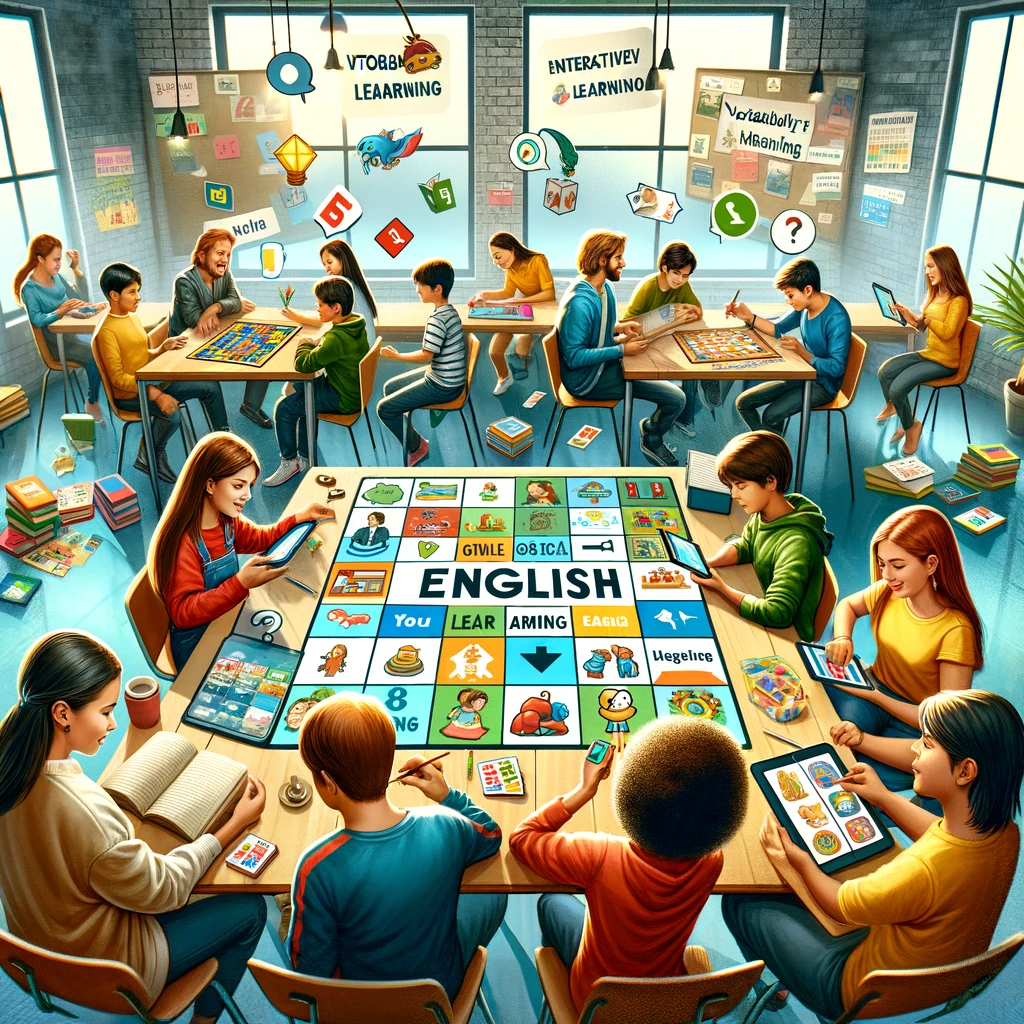
Benefits of playing educational games are vast and impactful. Dive into a world where fun meets learning, revolutionizing how we educate and engage.
Educational games offer a unique blend of entertainment and knowledge, making learning an enjoyable experience.
Introduction to Educational Games
Educational games are specially designed games that aim to combine entertainment with learning. These games are created with the purpose of teaching players new skills, concepts, or information while engaging them in gameplay.
Unlike regular games that focus solely on entertainment, educational games integrate educational content into the gameplay experience. This allows players to acquire knowledge or develop cognitive abilities while having fun.
Popular Educational Games
- Math Blaster: A math-based game that helps players improve their math skills through interactive challenges and puzzles.
- Typing Instructor: Teaches players typing skills through lessons and exercises to enhance their typing speed and accuracy.
- Oregon Trail: An educational game set in the 19th century that teaches players about American history and the challenges of westward migration.
Importance of Fun and Learning in Educational Games
It is crucial for educational games to strike a balance between fun and learning to ensure engagement and effectiveness. By integrating enjoyable gameplay elements with educational content, these games can motivate players to actively participate in the learning process.
Cognitive Benefits
Playing educational games can have a significant impact on cognitive skills such as problem-solving, critical thinking, and decision-making. These games often require players to think strategically, analyze information, and make decisions based on the outcomes. By engaging in these activities, individuals can strengthen their cognitive abilities in a fun and interactive way.
Memory Retention
Research has shown that playing educational games can improve memory retention compared to traditional learning methods. The interactive nature of these games, which often require players to remember information, patterns, or sequences, can enhance memory function. This is especially beneficial for individuals who struggle with retaining information through passive learning techniques.
Improved Cognitive Abilities
Studies have found a positive correlation between playing educational games and improved cognitive abilities. For example, a study published in the Journal of Educational Psychology showed that students who played educational games regularly had higher levels of cognitive skills such as spatial visualization, working memory, and problem-solving. These findings suggest that incorporating educational games into learning environments can be beneficial for cognitive development.
Academic Performance
Educational games play a crucial role in enhancing academic performance by making learning more interactive and enjoyable for students. These games are designed to focus on specific subjects like math, science, and language, helping students grasp complex concepts in a fun and engaging way.
Mathematics
Educational games focused on math have shown to improve students’ problem-solving skills, critical thinking abilities, and numerical fluency. For example, games like “Prodigy” and “Math Blaster” incorporate math challenges within an exciting gameplay format, motivating students to practice and improve their math skills.
Science
In the realm of science, educational games offer simulations and experiments that allow students to explore scientific concepts in a virtual environment. Games such as “SimCity EDU” and “MinecraftEdu” enable students to build and experiment with scientific principles, fostering a deeper understanding of the subject matter.
Language
Educational games focused on language skills, such as vocabulary building and grammar, help students improve their communication abilities. Games like “Wordplay” and “Duolingo” offer interactive lessons and challenges to enhance language proficiency, making learning a new language more engaging and effective for students.
Social and Emotional Development
Playing educational games goes beyond just academic benefits; it also plays a crucial role in promoting social and emotional development in children. These games can help children learn important social skills such as teamwork, communication, and cooperation.
Teamwork and Communication
Educational games often require players to work together towards a common goal, promoting teamwork and collaboration. Through these games, children learn how to communicate effectively with their peers, share ideas, and solve problems collectively.
Empathy and Emotion Management
Educational games can also help children develop empathy and better manage their emotions. By engaging with characters and storylines that depict various emotions and situations, children can learn to understand and regulate their own feelings while empathizing with others.
- One example of an educational game that focuses on social and emotional learning is “Emotions Detective,” where players solve puzzles related to emotions and learn about emotional intelligence.
- Another example is “Mindful Powers,” a game that teaches children mindfulness techniques to manage stress and emotions effectively.
Motivation and Engagement
Educational games have the potential to significantly increase motivation and engagement in learning activities. By incorporating elements such as rewards and challenges, these games can keep players motivated to progress and achieve their goals. Additionally, the use of personalized learning experiences in educational games can enhance student engagement by tailoring the content to individual preferences and learning styles.
Rewards and Challenges
Rewards and challenges play a crucial role in maintaining motivation and engagement in educational games. By offering rewards for completing tasks or reaching milestones, players are incentivized to continue playing and learning. Challenges provide opportunities for players to test their skills and knowledge, keeping them engaged and interested in the game.
Personalized Learning Experiences
Personalized learning experiences in educational games can have a significant impact on student engagement. By adapting the content to suit the individual needs and preferences of each player, these games create a more immersive and relevant learning environment. This customization helps students stay motivated and engaged throughout the gameplay, leading to better retention of information and improved learning outcomes.
Summary
In conclusion, the benefits of playing educational games extend far beyond just having fun. They have the power to shape minds, enhance skills, and transform the way we approach education.
