
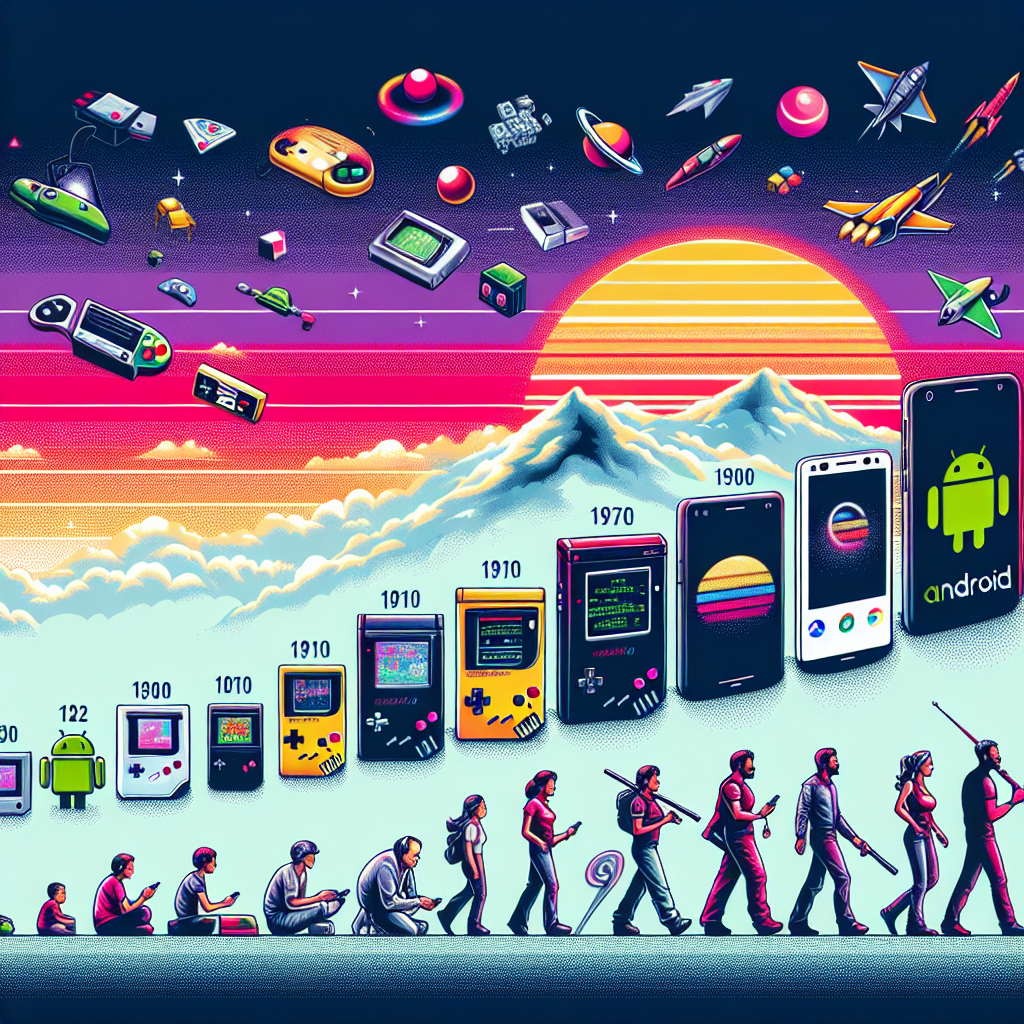
Starting with Evolution of mobile gaming industry, this paragraph aims to provide a captivating overview of how the industry has transformed over time, highlighting key milestones and technological advancements that have shaped the landscape of mobile gaming.
Exploring the transition from the early days to the present scenario, this discussion sets the stage for a deeper dive into the evolution of mobile gaming.
Evolution of Mobile Gaming Industry
The mobile gaming industry has come a long way since its inception, transforming into a multi-billion dollar industry that has captivated audiences worldwide. Let’s delve into the key milestones and technological advancements that have shaped the evolution of mobile gaming.
Brief History of Mobile Gaming
Mobile gaming first emerged in the late 1990s with simple games like Snake pre-installed on Nokia phones. As mobile phones evolved into smartphones, the gaming experience became more sophisticated, leading to the rise of app stores where users could download a plethora of games.
Key Milestones in Evolution
- The launch of the Apple App Store in 2008 revolutionized the mobile gaming industry, enabling developers to reach a wider audience and monetize their games.
- The introduction of in-app purchases and freemium models allowed for greater revenue generation and player engagement.
- The advancements in mobile hardware, such as faster processors and better graphics capabilities, have enabled more immersive gaming experiences.
Impact of Technology Advancements
- Technological advancements like augmented reality (AR) and virtual reality (VR) have opened up new possibilities for mobile gaming, offering more interactive and engaging gameplay.
- Cloud gaming services have made it easier for gamers to access high-quality games without the need for expensive hardware, democratizing the gaming experience.
Comparison: Early Days vs. Present
In the early days, mobile games were limited in terms of graphics and gameplay due to hardware constraints. Today, mobile games rival console and PC games in terms of quality, with complex narratives, stunning visuals, and multiplayer capabilities. The mobile gaming industry has truly come of age, catering to a diverse audience of casual and hardcore gamers alike.
Popular Mobile Gaming Genres
Mobile gaming has seen a wide variety of genres emerge over the years, catering to different preferences and playing styles. Let’s explore some of the most popular genres in the mobile gaming industry.
Action Games
Action games are fast-paced, engaging games that require quick reflexes and hand-eye coordination. These games often involve combat, shooting, or platforming elements. Examples of top action games include PUBG Mobile, Call of Duty: Mobile, and Temple Run.
Puzzle Games
Puzzle games challenge players with logic and problem-solving tasks. These games often require strategic thinking and creativity to solve puzzles or complete levels. Some popular puzzle games include Candy Crush Saga, Monument Valley, and Sudoku.
Simulation Games
Simulation games allow players to simulate real-life activities or scenarios. Players can manage virtual cities, run businesses, or even control virtual pets. Examples of top simulation games are The Sims Mobile, Stardew Valley, and RollerCoaster Tycoon Touch.
Role-Playing Games (RPG)
RPG games immerse players in rich storylines and character development. Players can customize their characters, explore vast worlds, and engage in epic battles. Popular RPG games on mobile include Genshin Impact, RAID: Shadow Legends, and Final Fantasy XV: A New Empire.
Strategy Games
Strategy games require players to plan and think strategically to outwit opponents or overcome challenges. These games often involve resource management, base building, and tactical combat. Some notable strategy games are Clash of Clans, Plants vs. Zombies, and Civilization VI.
Sports Games
Sports games allow players to participate in various sports activities, from soccer and basketball to racing and golf. These games often feature realistic gameplay and competitive multiplayer modes. Top sports games in the mobile gaming industry include FIFA Mobile, NBA 2K Mobile Basketball, and Real Racing 3.
Adventure Games
Adventure games focus on storytelling and exploration, often combining elements of puzzles and action. Players embark on epic quests, solve mysteries, and uncover hidden treasures. Examples of popular adventure games include The Room series, Oxenfree, and Life is Strange.
Each of these genres has evolved over time, incorporating new technologies, gameplay mechanics, and design elements to keep players engaged and entertained. As mobile devices continue to advance, we can expect even more innovative and immersive experiences in the world of mobile gaming.
Impact of Mobile Gaming on Society
Mobile gaming has significantly impacted society and culture in various ways, influencing how people interact, entertain themselves, and even learn. The widespread availability of smartphones has made gaming more accessible to a broader audience, leading to both positive and negative effects on individuals and communities.
Social Implications of Mobile Gaming
Mobile gaming has reshaped social interactions by providing a platform for multiplayer games that allow people to connect and compete with friends and strangers from around the world. This has led to the formation of online gaming communities, fostering friendships and rivalries that transcend geographical boundaries.
- Mobile gaming has also raised concerns about excessive screen time and addiction, especially among younger players who may prioritize gaming over other activities like physical exercise or face-to-face socializing.
- On the positive side, mobile games have been used as educational tools, teaching players problem-solving skills, strategic thinking, and even languages through gamified learning experiences.
Positive and Negative Effects on Individuals
The convenience of mobile gaming has provided a portable form of entertainment that can be enjoyed anytime, anywhere. However, this accessibility has also led to issues like sleep disruption, decreased productivity, and potential addiction to gaming.
- Positive effects include stress relief, cognitive stimulation, and social connection through multiplayer games.
- Negative effects may include increased sedentary behavior, decreased academic performance, and in extreme cases, social isolation due to excessive gaming.
Role of Mobile Gaming in the Entertainment Industry
Mobile gaming has become a significant player in the entertainment industry, generating billions of dollars in revenue and attracting a diverse audience of players. With the rise of in-app purchases, advertisements, and subscription models, mobile games have evolved into lucrative businesses that compete with traditional gaming platforms.
Games like “Fortnite” and “Pokémon GO” have demonstrated the potential for mobile games to become cultural phenomena, influencing trends in pop culture and shaping the way people consume media.
Monetization Strategies in Mobile Gaming
Mobile gaming has become a lucrative industry, with various monetization strategies being employed to generate revenue. In this section, we will explore the different models used, the effectiveness of in-app purchases, the comparison between free-to-play and paid games in terms of monetization, and the evolution of advertising strategies in mobile games.
Various Monetization Models
- Freemium Model: This model offers the game for free but includes in-app purchases for additional features or virtual goods.
- Subscription Model: Players pay a recurring fee to access premium content or features within the game.
- Advertising Model: Games are offered for free, with revenue generated through ads displayed during gameplay.
- Paid Model: Players purchase the game upfront to access all content without any additional purchases.
Effectiveness of In-App Purchases
In-app purchases have proven to be highly effective in generating revenue for mobile games. Players are enticed to make purchases to enhance their gaming experience, unlock special features, or progress faster within the game. This model has been successful due to its convenience and the ability to offer personalized content to players.
Free-to-Play vs. Paid Games
- Free-to-Play: These games attract a larger player base due to their initial free accessibility, with revenue generated through in-app purchases, ads, or optional subscriptions.
- Paid Games: Players pay upfront to access the full game without any additional purchases, appealing to those who prefer a one-time payment model.
Evolution of Advertising Strategies
Advertising in mobile games has evolved from traditional banner ads to more interactive and engaging formats, such as rewarded videos, playable ads, and native ads. These strategies aim to provide a seamless experience for players while effectively promoting products or services. Advertisers have found success in targeting specific demographics within mobile games, leading to increased engagement and conversions.
Wrap-Up
In conclusion, the Evolution of mobile gaming industry has not only revolutionized entertainment but also impacted society and culture in profound ways. From monetization strategies to popular genres, the industry continues to evolve, offering new experiences and possibilities for gamers worldwide.
