
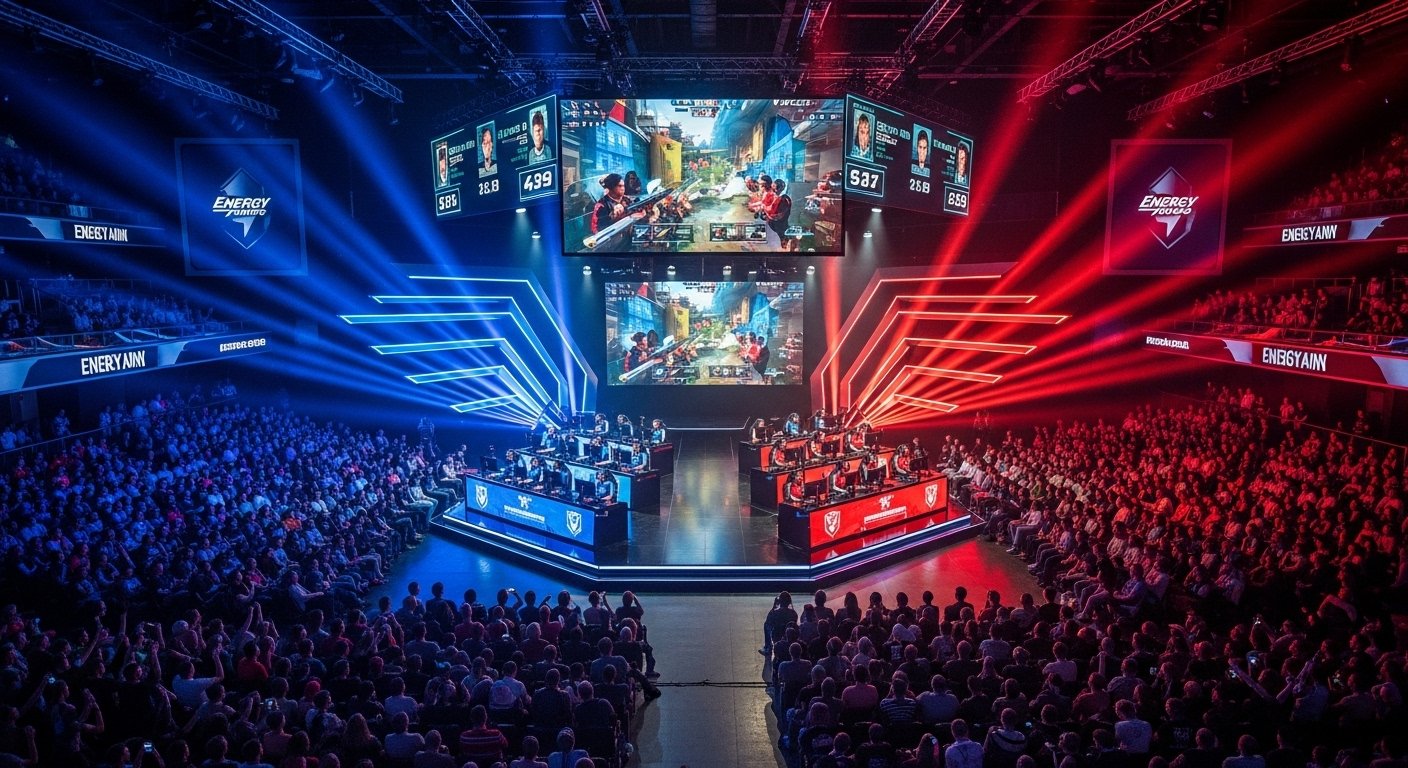
As Rise of esports competitions takes center stage, this opening passage beckons readers into a world crafted with good knowledge, ensuring a reading experience that is both absorbing and distinctly original.
From the humble beginnings of esports to its current global phenomenon status, the journey of competitive gaming has been nothing short of revolutionary.
Evolution of Esports
Esports, short for electronic sports, has a rich history that dates back to the early days of video gaming. What started as casual gaming competitions among friends has now transformed into a global phenomenon with professional leagues, massive tournaments, and dedicated fanbases.
Historical Origins
Esports can be traced back to the 1970s and 1980s when video game enthusiasts began organizing competitions and gatherings to showcase their skills. One of the earliest known esports events was the Space Invaders Championship held by Atari in 1980, which attracted over 10,000 participants.
Key Milestones
Over the years, several key milestones have contributed to the rise of esports. The launch of games like Street Fighter II in the early 1990s and the emergence of online multiplayer gaming platforms in the late 1990s played a significant role in popularizing competitive gaming.
- The establishment of the Cyberathlete Professional League (CPL) in 1997 marked the beginning of organized esports tournaments on a global scale.
- The release of games like StarCraft and Counter-Strike in the early 2000s further fueled the growth of esports, attracting a large following of players and spectators.
- The introduction of live streaming platforms like Twitch in the mid-2010s revolutionized the way esports events were broadcasted, making them more accessible to a wider audience.
Impact of Technology Advancements
Advancements in technology, particularly in terms of graphics, internet connectivity, and streaming capabilities, have played a crucial role in the growth of esports. The development of high-performance gaming PCs, consoles, and peripherals has enabled players to compete at a higher level, while the widespread availability of high-speed internet has made online gaming and streaming more seamless than ever before.
Esports has evolved from humble beginnings to become a multi-billion dollar industry, attracting millions of fans and players from around the world.
Popular Esports Games
Esports has seen a surge in popularity over the years, with several games driving the growth of competitive gaming. These games have captivated audiences worldwide and have become a staple in the esports industry.
First-Person Shooter (FPS) Games
First-Person Shooter games like Counter-Strike: Global Offensive (CS:GO) and Overwatch are immensely popular in the esports scene. These games require quick reflexes, precise aiming, and strategic teamwork. FPS games are known for their intense action and fast-paced gameplay, making them a favorite among competitive gamers.
Multiplayer Online Battle Arena (MOBA) Games
MOBA games such as League of Legends and Dota 2 have a massive following in the esports community. These games involve strategic decision-making, team coordination, and objective-based gameplay. MOBAs are characterized by their complex mechanics and deep strategy, attracting both casual and professional players.
Battle Royale Games
Battle Royale games like Fortnite and PlayerUnknown’s Battlegrounds (PUBG) have taken the gaming world by storm. These games combine survival, exploration, and combat elements in a last-player-standing format. Battle Royale esports have grown in popularity due to their unpredictable nature and thrilling gameplay.
Game Developers in Esports
Game developers play a crucial role in fostering the esports ecosystem. They continuously update their games, balance gameplay mechanics, and introduce new content to keep the competitive scene fresh and engaging. Developers also work closely with esports organizations to host tournaments, provide prize pools, and support competitive players, contributing to the growth of esports as a whole.
Esports Infrastructure
Esports infrastructure plays a crucial role in the organization and execution of competitive gaming events. From leagues to teams and sponsorships, each component contributes to the growth and success of esports on a global scale.
Esports Organizations
Esports organizations are at the forefront of organizing and managing competitive gaming competitions. These organizations work tirelessly to create a platform for gamers to showcase their skills and compete at the highest level. They handle everything from event planning and logistics to player recruitment and team management.
Esports Leagues and Teams
- Esports leagues serve as the backbone of the competitive gaming industry, providing a structured environment for teams to compete against each other.
- Teams are essential components of the esports ecosystem, consisting of skilled players who represent organizations in various tournaments and leagues.
- Team sponsorships are crucial for the financial stability and growth of esports organizations, as they provide funding for player salaries, travel expenses, and other operational costs.
Infrastructure for Large-scale Events
- Large-scale esports events require state-of-the-art facilities equipped with high-speed internet, gaming hardware, and broadcasting equipment to accommodate players, spectators, and online viewers.
- Event organizers must coordinate with venue owners, technology partners, and sponsors to ensure a seamless experience for all participants and attendees.
- Security measures are also essential to protect the integrity of esports competitions and ensure the safety of players, staff, and fans.
Esports Audience and Impact
Esports has garnered a massive audience worldwide, with viewers and participants coming from various demographics. The impact of esports goes beyond just entertainment, influencing industries like gaming, entertainment, and technology in significant ways.
Demographics of Esports Viewers and Participants
Esports attracts a diverse audience, with a mix of both male and female viewers of different age groups. While the majority of esports enthusiasts are younger individuals in the 18-34 age range, there is a growing interest from older demographics as well. The global reach of esports means that viewers and participants come from different regions, cultures, and backgrounds, making it a truly inclusive and diverse community.
Economic Impact of Esports on Industries
The economic impact of esports cannot be understated, with the industry generating billions of dollars in revenue annually. The gaming industry has seen a significant boost in sales of esports-related games, merchandise, and accessories. Entertainment companies have also capitalized on the popularity of esports by producing content and events centered around competitive gaming. Additionally, technology companies have benefited from the demand for high-performance hardware and software to support esports competitions and streaming.
Influence of Esports Competitions on Mainstream Media and Pop Culture
Esports competitions have increasingly gained mainstream attention, with major networks broadcasting tournaments and events to a wider audience. The rise of esports has also influenced pop culture, with references to competitive gaming appearing in movies, TV shows, and music. Esports athletes have become celebrities in their own right, paving the way for a new generation of stars who are recognized and admired by fans around the world.
Professional Esports Players
Professional esports players lead a unique and demanding lifestyle that requires dedication, skill, and resilience. From rigorous training schedules to competing in high-stakes tournaments, these players are at the top of their game in the world of competitive gaming.
Life of Professional Esports Players
Professional esports players often spend several hours a day practicing and honing their skills in their respective games. They participate in team training sessions, analyze gameplay footage, and strategize with their teammates to stay ahead of the competition. Additionally, they may travel frequently to attend tournaments around the world, making sacrifices to pursue their passion for gaming.
Training Regimen and Skill Sets
To excel in esports, players must possess exceptional hand-eye coordination, quick reflexes, strategic thinking, and strong communication skills. They often undergo intense training regimens to improve their gameplay mechanics, decision-making abilities, and teamwork. Some players work with coaches and sports psychologists to enhance their performance and mental resilience in high-pressure situations.
Earnings of Top Esports Athletes vs. Traditional Sports Players
Top esports athletes can earn substantial incomes through tournament winnings, sponsorships, streaming revenue, and endorsements. While the earnings of professional esports players vary depending on their success and popularity, some elite players have amassed fortunes comparable to traditional sports stars. As esports continues to grow in popularity and financial backing, the gap between the earnings of esports athletes and traditional sports players is narrowing.
Future Trends in Esports
The future of esports is poised for continued growth and innovation, with several key trends shaping the landscape of competitive gaming. From the rise of new technologies to evolving audience preferences, the esports industry is set to undergo significant changes in the coming years.
Emerging Technologies in Esports
The integration of virtual reality (VR) and augmented reality (AR) technologies is expected to revolutionize the esports experience for both players and spectators. VR headsets will provide a more immersive gaming experience, while AR overlays can enhance the viewing experience by providing real-time statistics and analysis. These technologies have the potential to attract a wider audience and increase engagement levels in esports competitions.
Growth Trajectory of Esports
With the increasing popularity of esports around the world, the industry is projected to continue its upward trajectory in terms of viewership, revenue, and investment. Major brands are recognizing the value of esports as a marketing platform, leading to more sponsorships and partnerships in the industry. As the global esports audience continues to expand, the potential for growth in the coming years is immense.
Challenges and Opportunities in Esports
While the future of esports looks promising, there are also challenges that the industry must address. Issues such as player burnout, match-fixing, and regulatory hurdles need to be tackled to ensure the long-term sustainability of esports. However, these challenges also present opportunities for innovation and growth, as stakeholders work together to overcome obstacles and build a more robust ecosystem for competitive gaming.
Final Conclusion
With the exponential growth of esports competitions and its profound impact on various industries, it’s evident that this trend is here to stay, shaping the future of entertainment and sports.
