
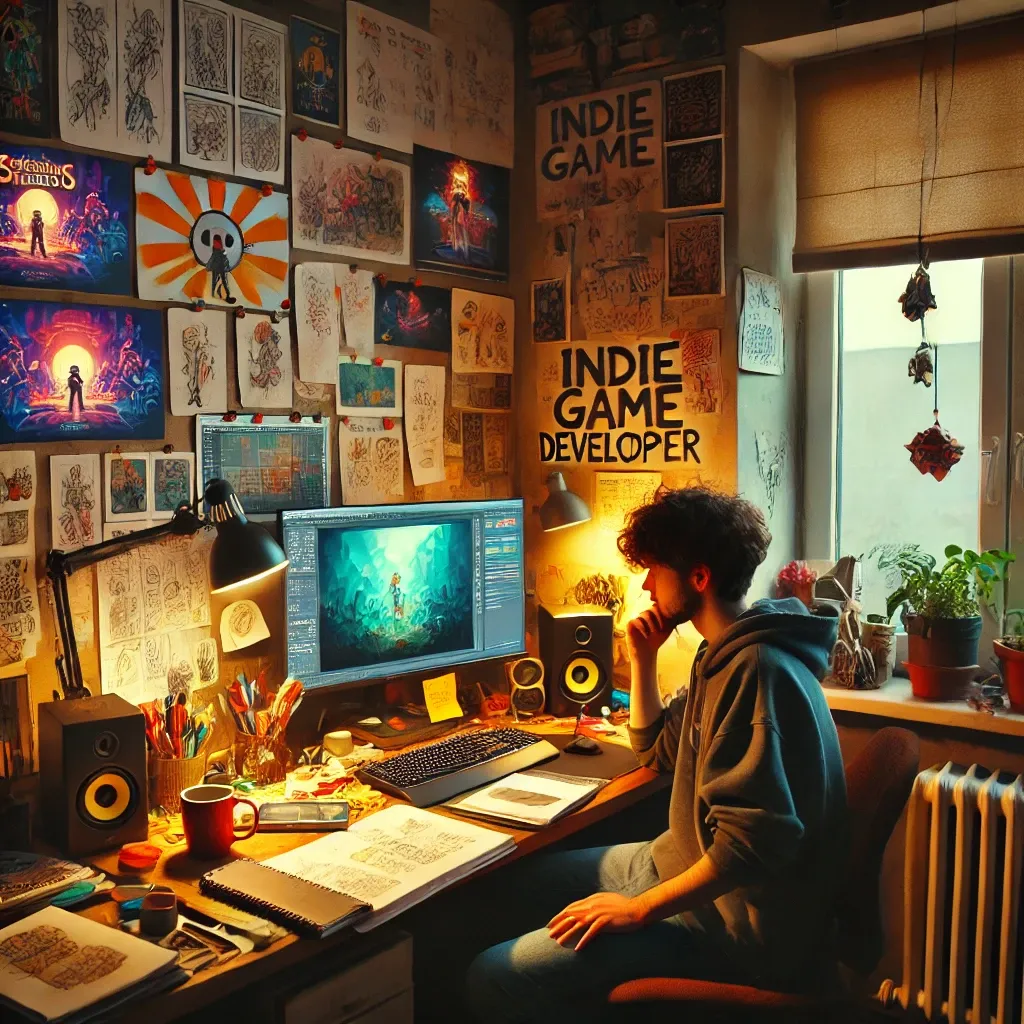
Exploring indie game development leads us into the fascinating realm of independent game creation, where innovation and creativity thrive. Dive into this narrative filled with insights and surprises, as we unravel the secrets behind indie games.
From understanding the essence of indie game development to exploring the challenges and triumphs faced by developers, this journey promises to be enlightening and engaging.
Overview of Indie Game Development
Indie game development refers to the creation of video games by independent developers or small studios without the financial support of a major publisher. These developers often have more creative freedom and take risks that larger companies might avoid. Indie games are known for their unique art styles, innovative gameplay mechanics, and compelling storytelling.
Main Characteristics of Indie Games
- Unique Art Styles: Indie games often feature handcrafted visuals that stand out from mainstream AAA titles.
- Innovative Gameplay Mechanics: Indie developers are more likely to experiment with new gameplay ideas and mechanics.
- Compelling Storytelling: Many indie games focus on delivering powerful narratives that resonate with players on a personal level.
- Emphasis on Creativity: Indie developers prioritize creativity and originality over commercial success.
Importance of Indie Game Development
Indie game development plays a crucial role in the gaming industry by fostering creativity, diversity, and innovation. These games often serve as a breeding ground for new ideas and concepts that eventually influence larger studios. Additionally, indie games provide opportunities for developers to break into the industry without the need for extensive resources, paving the way for fresh talent and perspectives.
Getting Started in Indie Game Development
Starting a career in indie game development can be an exciting journey for those passionate about creating unique gaming experiences. Below are some steps to help you kickstart your indie game development career:
1. Learn the Basics of Game Development
- Begin by familiarizing yourself with game development concepts and tools such as game engines like Unity or Unreal Engine.
- Take online courses, watch tutorials, and read books to gain knowledge about game design, programming, and art.
2. Develop Essential Skills
- Programming Skills: Learn programming languages like C#, C++, or Java to code game mechanics and features.
- Design Skills: Enhance your skills in graphic design, animation, and user interface (UI) design to create visually appealing games.
- Creativity: Cultivate your creativity to come up with innovative game ideas and engaging gameplay mechanics.
3. Build a Portfolio
- Create small game projects to showcase your skills and style to potential employers or collaborators.
- Participate in game jams or indie game development contests to gain experience and exposure in the industry.
4. Networking and Collaboration
- Join online game development communities, forums, and social media groups to connect with other indie developers and industry professionals.
- Collaborate with artists, musicians, and other developers to work on projects and learn from each other.
5. Utilize Resources and Tools
- Explore free game development tools like Godot Engine, GameMaker Studio, or Construct to start developing games without a significant financial investment.
- Take advantage of online resources such as tutorials, forums, and asset stores to enhance your game development skills and knowledge.
Game Design and Development Process
In indie game development, the game design and development process plays a crucial role in bringing a game from concept to release. This involves various stages and challenges that indie developers need to navigate to create a successful game within limitations.
Game Design Process
The game design process for indie developers typically starts with brainstorming ideas and creating a concept for the game. This involves defining the game mechanics, storyline, characters, and overall gameplay experience. Once the concept is solidified, developers move on to creating detailed design documents, including game flowcharts, level designs, and mockups.
- Conceptualization of game idea and defining core game mechanics.
- Creating design documents with detailed game elements and features.
- Iterating on the design based on playtesting and feedback.
Stages of Game Development
The stages of game development for indie developers typically include pre-production, production, testing, and release. During pre-production, developers focus on refining the game concept, creating assets, and laying the groundwork for development. In the production phase, developers start implementing the game mechanics, designing levels, and integrating assets. Testing involves bug fixing, optimization, and ensuring the game is ready for release.
- Pre-production: Refining game concept, creating assets, and planning development.
- Production: Implementing game mechanics, designing levels, and integrating assets.
- Testing: Bug fixing, optimization, and preparing the game for release.
Managing Limitations in Resources
Indie developers often face limitations in resources such as budget, time, and team size. To overcome these challenges, developers need to prioritize tasks, optimize workflows, and make use of available tools and technologies efficiently. This may involve outsourcing certain tasks, leveraging open-source resources, and focusing on the core gameplay experience to make the most of limited resources.
- Prioritizing tasks based on importance and impact on gameplay.
- Optimizing workflows to maximize productivity and efficiency.
- Utilizing available tools, resources, and technologies effectively.
Marketing and Monetization Strategies
Marketing and monetization are crucial aspects of indie game development. Effective strategies for marketing indie games on a limited budget can significantly impact the success of a game. Likewise, choosing the right monetization model can help developers generate revenue and sustain their projects. Building a community around indie games is also vital for better visibility and engagement with players.
Effective Marketing Strategies
- Utilize social media platforms to engage with potential players and create hype around the game.
- Collaborate with influencers or content creators in the gaming industry to reach a wider audience.
- Participate in game development forums, conferences, and events to network with other developers and showcase the game.
- Create engaging trailers, demos, and promotional materials to attract players and generate interest.
Monetization Models
- Free-to-play with in-app purchases: Offering the game for free and monetizing through in-game purchases for additional content or features.
- Pay-to-play: Requiring players to purchase the game upfront to access the full experience.
- Subscription-based: Offering a subscription model for continuous access to new content or features.
- Ad-based: Integrating advertisements within the game to generate revenue from ad views or clicks.
Building a Community
- Engage with players on social media, forums, and game communities to gather feedback and build relationships.
- Organize contests, giveaways, and events to incentivize player participation and create excitement around the game.
- Provide regular updates, behind-the-scenes content, and developer insights to keep the community informed and engaged.
- Create a dedicated website, blog, or Discord server to centralize communication with the community and foster a sense of belonging.
Challenges and Opportunities in Indie Game Development
Indie game development comes with its own set of challenges, but also presents unique opportunities for developers to showcase their creativity and innovation in the gaming industry.
Common Challenges Faced by Indie Developers
- Limited Budget: Indie developers often have limited financial resources, making it challenging to fund the development of a game.
- Resource Constraints: With small teams or even solo developers, resources such as time, manpower, and expertise can be limited.
- Visibility: Standing out in a crowded market and getting noticed by players can be difficult without a big marketing budget.
- Technical Limitations: Indie developers may face technical challenges due to lack of access to advanced tools and technologies.
Turning Challenges into Opportunities
- Embracing Creativity: Limited resources can push developers to think outside the box and come up with innovative solutions and game mechanics.
- Community Engagement: Building a strong community around the game can help with visibility and word-of-mouth marketing.
- Collaboration: Partnering with other indie developers or studios can help share resources and expertise.
- Iterative Development: Embracing an agile development approach allows for continuous improvement and adaptation to overcome technical limitations.
Success Stories of Indie Games
- “Celeste”: Developed by a small team, “Celeste” received critical acclaim for its storytelling and challenging gameplay, despite being created on a limited budget.
- “Hollow Knight”: Originally a Kickstarter project, “Hollow Knight” garnered a strong fan base and critical success through community engagement and iterative development.
- “Undertale”: Developed by a solo developer, “Undertale” became a cultural phenomenon through its unique storytelling and gameplay mechanics, showcasing the power of indie creativity.
Final Thoughts
As we conclude our exploration of indie game development, we reflect on the diverse facets of this dynamic industry. From the initial spark of an idea to the final release, indie game development continues to inspire and captivate both creators and players alike.
