
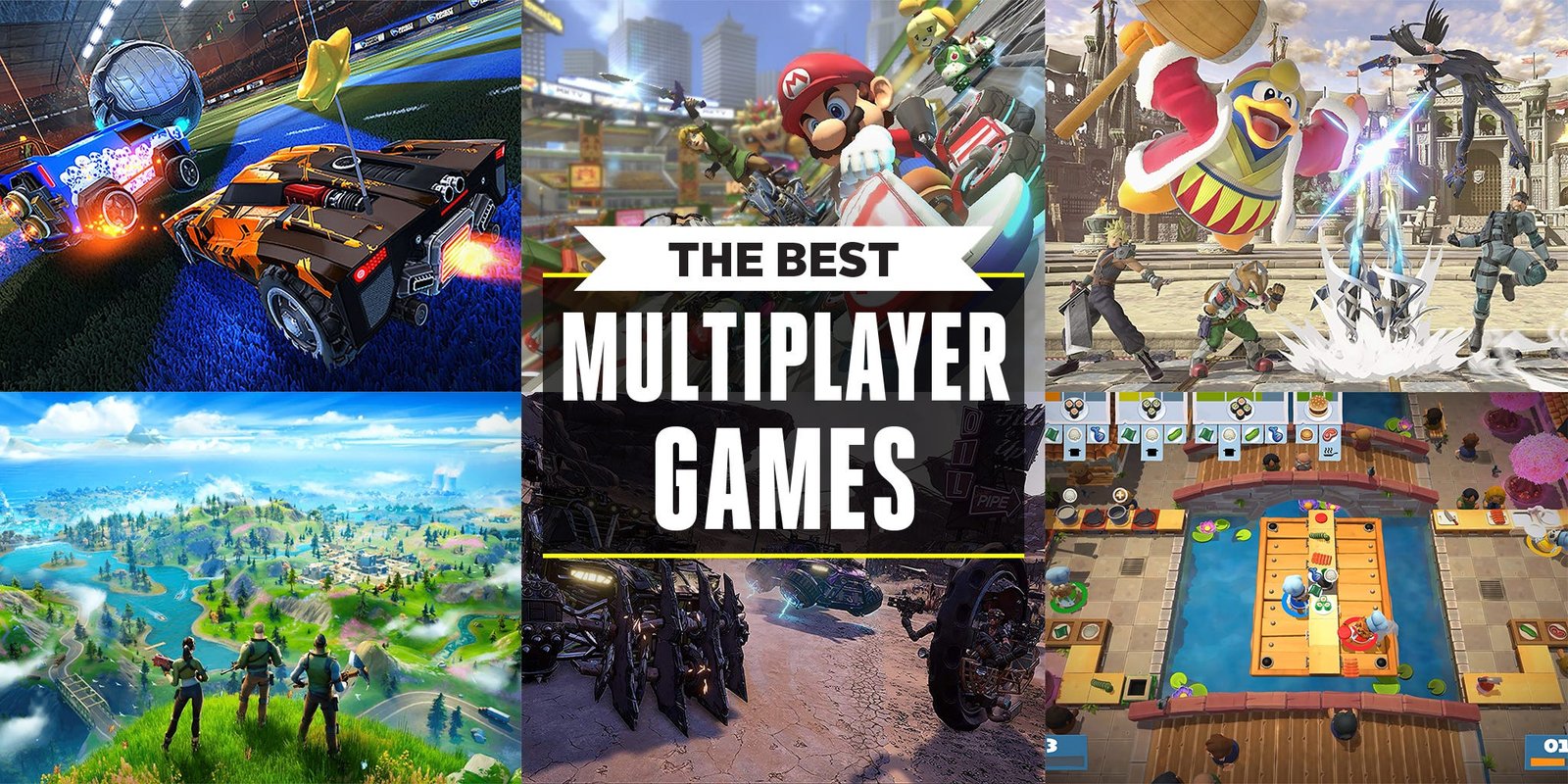
Top multiplayer online games introduce players to a world of exciting competition, teamwork, and social interactions, revolutionizing the gaming experience. Dive into this dynamic realm where friendships are forged, strategies are crafted, and victories are earned.
From the adrenaline-pumping competitive gameplay to the endless customization options, these games offer a diverse range of experiences that cater to every player’s preferences. Discover the top titles that have captured the hearts of gamers worldwide, setting new standards for online multiplayer gaming.
Top multiplayer online games
Multiplayer online games have become increasingly popular in recent years, providing players with the opportunity to connect and compete with others from around the world. Here are the top 5 multiplayer online games currently trending:
1. Fortnite
Fortnite is a battle royale game where players fight to be the last one standing. The game features building mechanics, a variety of weapons, and regular updates to keep gameplay fresh.
2. Call of Duty: Warzone
Call of Duty: Warzone is a first-person shooter game set in the Call of Duty universe. Players can team up with friends to compete in battle royale matches or other multiplayer modes.
3. Among Us
Among Us is a social deduction game where players must work together to complete tasks on a spaceship while trying to identify the impostors among them. The game is known for its simple mechanics and engaging gameplay.
4. Valorant
Valorant is a tactical shooter game that combines elements of strategy and team play. Players choose from a variety of agents, each with unique abilities, to compete in fast-paced matches.
5. Apex Legends
Apex Legends is a battle royale game that features a diverse cast of characters, each with their own special abilities. The game is known for its fast-paced gameplay and unique team-based mechanics.
Game genres
Multiplayer online games span across various genres, each offering a unique gaming experience to players. Let’s explore some of the popular genres and what makes them appealing.
First-person shooter (FPS)
First-person shooter games put players in the perspective of the character they control, offering intense action-packed gameplay. Popular examples include:
- Call of Duty: Modern Warfare
- Overwatch
- Counter-Strike: Global Offensive
Massively Multiplayer Online Role-Playing Games (MMORPG)
MMORPGs allow players to immerse themselves in vast virtual worlds, complete quests, and interact with other players from around the globe. Examples include:
- World of Warcraft
- Final Fantasy XIV
- The Elder Scrolls Online
Battle Royale
Battle Royale games drop players onto a map where they must scavenge for weapons and fight to be the last one standing. Popular titles include:
- Fortnite
- PlayerUnknown’s Battlegrounds (PUBG)
- Apex Legends
MOBA (Multiplayer Online Battle Arena)
MOBA games pit teams of players against each other in strategic battles to destroy the opponent’s base. Notable examples include:
- League of Legends
- Dota 2
- Smite
Open-World Sandbox
Open-world sandbox games offer vast, open environments for players to explore and create their own adventures. Examples in this genre include:
- Minecraft
- Roblox
- Ark: Survival Evolved
Social aspect
Online multiplayer games have revolutionized the way people interact and connect in the digital world. These games provide a platform for players to collaborate, compete, and communicate with others from around the globe, fostering social interactions in a unique and engaging way.
Formation of friendships and communities
- Players often form strong bonds and friendships with others they meet in multiplayer games, bonding over shared interests and experiences within the game.
- Communities and guilds are formed within these games, where players come together to achieve common goals, share strategies, and support each other in their virtual adventures.
- Friendships forged in multiplayer games can extend beyond the virtual world, leading to real-life connections and relationships.
Impact on player engagement
- Social features in multiplayer games, such as chat functions, voice communication, and multiplayer events, enhance player engagement by providing opportunities for social interaction and collaboration.
- Players are more likely to continue playing and investing time in a game where they have formed friendships and connections with other players, increasing overall player retention.
- The sense of belonging to a community or group within a game can motivate players to strive for achievements and progress further in the game, increasing overall player satisfaction and enjoyment.
Competitive gameplay
Competition in multiplayer online games is a crucial element that drives engagement and excitement among players. It adds a layer of challenge and thrill that keeps gamers coming back for more, striving to improve their skills and outperform their opponents.
Different competitive modes
Various multiplayer online games offer different competitive modes to cater to the preferences and playstyles of a diverse player base. These modes not only provide variety but also bring unique challenges and strategies to the gameplay experience.
- Team Deathmatch: A classic mode where players are divided into teams and compete to score the most kills within a set time limit.
- Capture the Flag: Players must work together to capture the enemy team’s flag while defending their own, requiring coordination and teamwork.
- Battle Royale: A last-player-standing mode where players fight to be the sole survivor in a shrinking play area, testing their survival skills and strategic thinking.
- Ranked Matches: Players compete in skill-based matchmaking to climb the ranks and prove their abilities against similarly skilled opponents.
Each competitive mode offers a distinct gameplay experience that challenges players in different ways, keeping the gameplay fresh and engaging.
Enhancing the gaming experience
The inclusion of competitive elements in multiplayer online games adds depth and longevity to the gaming experience. It motivates players to improve their skills, learn new strategies, and engage with the community to stay competitive.
- Skill Progression: Competition pushes players to continuously hone their skills and strive for mastery, leading to a sense of accomplishment and satisfaction.
- Community Engagement: Competitive gameplay fosters a sense of camaraderie and rivalry among players, creating a vibrant and interactive gaming community.
- E-Sports Opportunities: The competitive scene in multiplayer online games has paved the way for professional e-sports competitions, offering players the chance to compete at a high level and showcase their talents.
In-game communication
In multiplayer online games, effective communication among players is crucial for success. Whether it’s coordinating strategies, calling out enemy positions, or simply chatting with teammates, in-game communication tools play a significant role in shaping the overall gaming experience.
Importance of in-game communication
- Enhances teamwork and coordination: Clear communication helps players work together more effectively towards a common goal.
- Increases tactical awareness: Sharing information about the game environment and enemy movements gives players a strategic advantage.
- Fosters a sense of community: Building relationships with fellow gamers through chat features can enhance the social aspect of gaming.
Examples of in-game communication features
- Text chat: Allows players to type messages to communicate with teammates or opponents.
- Voice chat: Enables real-time communication through voice channels for faster and more efficient coordination.
- Ping system: Players can use pings to mark locations on the map, highlight objectives, or alert teammates to potential threats without typing or speaking.
Impact of effective communication on gameplay outcomes
- Winning matches: Coordinated teams with effective communication are more likely to achieve victory by executing strategies efficiently.
- Improved player experience: Clear communication fosters a positive gaming environment, enhancing the overall enjoyment for everyone involved.
- Developing skills: Sharing knowledge and tips through communication can help players learn and improve their gameplay.
Teamwork and collaboration
Teamwork plays a crucial role in multiplayer online games, where players must work together towards a common goal. Whether it’s strategizing in a battle or completing a quest, effective collaboration can often determine the outcome of a match.
Collaborative gameplay mechanics in popular titles
In games like Overwatch, players are divided into different roles such as tanks, healers, and damage dealers. Each role is essential for the team’s success, and players must collaborate to create a balanced team composition. Games like League of Legends and Dota 2 also require teamwork to secure objectives and defeat the opposing team. Communication and coordination are key in these games to execute strategies effectively.
Strategies for effective collaboration
– Communicate: Use in-game communication tools to coordinate with your team members. Voice chat or text chat can help convey important information during gameplay.
– Play your role: Understand your role within the team and fulfill it to the best of your abilities. Trust your teammates to do the same.
– Adapt to the situation: Be flexible and willing to adjust your strategy based on the evolving dynamics of the game. Adaptability is key to successful collaboration.
– Provide feedback: Offer constructive feedback to your teammates to help improve their gameplay. Encouragement and support can go a long way in fostering teamwork.
Player customization
Player customization in multiplayer games allows players to personalize their avatars or characters according to their preferences. This feature enhances the gaming experience by giving players a sense of ownership and uniqueness in the virtual world they inhabit.
Impact on the gaming experience
Player customization plays a crucial role in creating a more immersive gaming experience. By allowing players to tailor their avatars’ appearance, clothing, accessories, and even abilities, games become more engaging and personal. It fosters a sense of attachment to the character, making the player more invested in the game world.
- Customization promotes self-expression: Players can express their individuality and creativity through their avatars, reflecting their personalities and tastes.
- Enhanced sense of identity: Players feel a stronger connection to their characters when they have control over their appearance, leading to a more fulfilling gaming experience.
- Increased immersion: Customizing avatars can make players feel more immersed in the game world, blurring the lines between reality and fantasy.
Examples of games with extensive customization features
Some multiplayer games offer a wide range of customization options, allowing players to create unique avatars or characters. These games include:
1. The Sims series: Players can customize every aspect of their Sims’ appearance, personality, and living spaces, providing a high level of personalization.
2. Overwatch: This team-based shooter offers a variety of skins, emotes, and other cosmetic items that players can unlock or purchase to customize their favorite heroes.
3. Elder Scrolls Online: Players can create highly detailed characters with various customization options for race, appearance, and skills, making each character truly unique.
Summary
In conclusion, the world of top multiplayer online games is a vibrant landscape where players come together, compete, collaborate, and communicate in ways that transcend traditional gaming boundaries. Whether you seek thrilling battles or meaningful social connections, these games offer something for everyone, making them a cornerstone of modern gaming culture.
