
Starting with Impact of gaming on mental health, this introduction aims to intrigue readers with a glimpse into the complex relationship between gaming and mental well-being.
Exploring both the positive and negative impacts, this overview sets the stage for a comprehensive discussion on this pressing issue.
Overview of Gaming and Mental Health
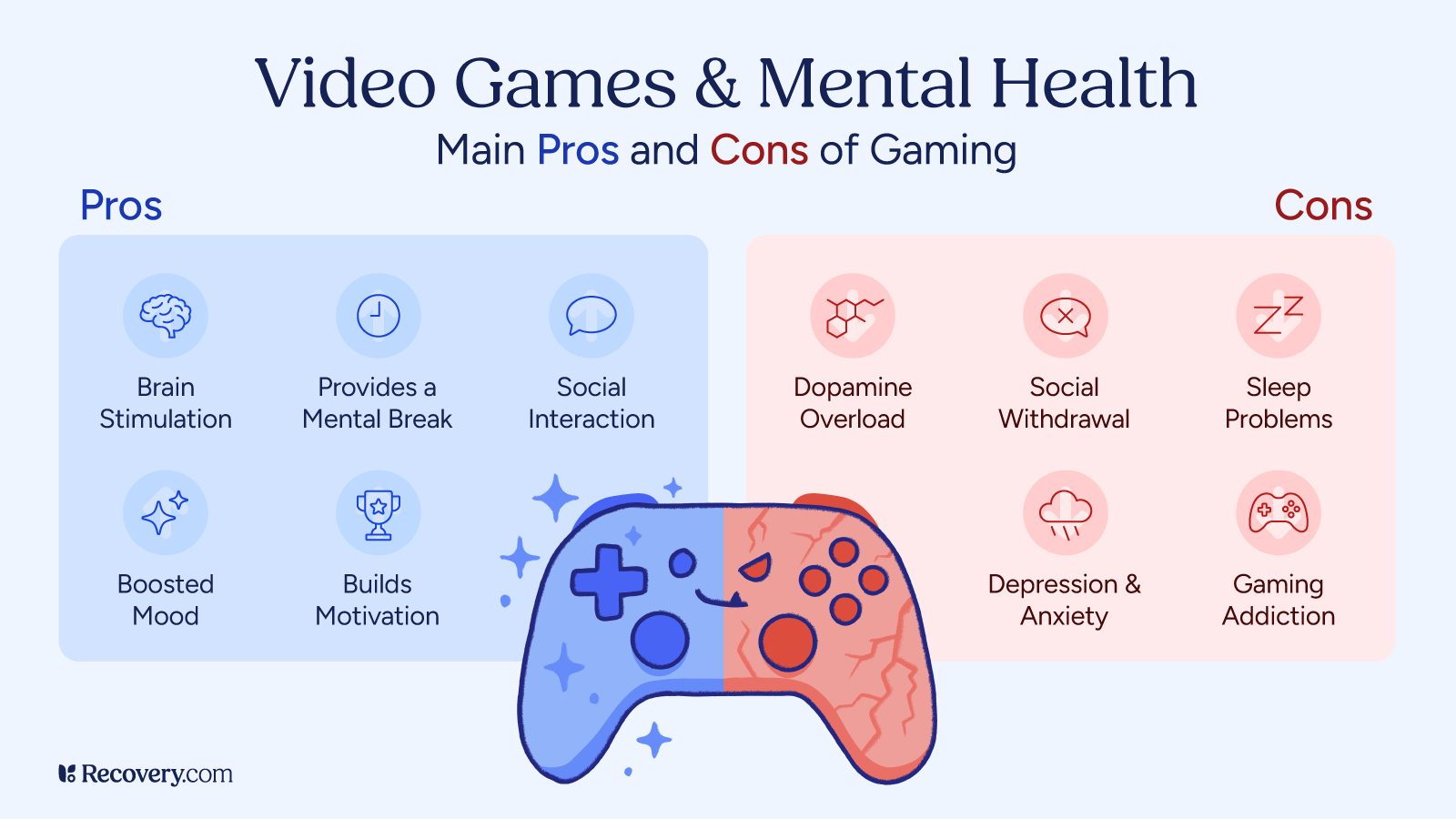
Gaming and mental health are two interconnected aspects that have garnered attention in recent years. Gaming refers to the act of playing electronic games, whether on consoles, computers, or mobile devices. On the other hand, mental health encompasses a person’s emotional, psychological, and social well-being. The relationship between gaming and mental health can have both positive and negative impacts, depending on various factors.
Positive Impacts of Gaming on Mental Health
- Gaming can provide a form of escapism and stress relief for individuals, allowing them to immerse themselves in a different world and temporarily detach from real-life stressors.
- Some games promote problem-solving skills, strategic thinking, and cognitive abilities, which can be beneficial for mental stimulation and brain development.
- Online gaming communities can foster social connections and friendships, especially for individuals who may have difficulty forming relationships in traditional settings.
Negative Impacts of Gaming on Mental Health
- Excessive gaming can lead to addiction and compulsive behavior, resulting in neglect of responsibilities, social isolation, and poor mental health outcomes.
- Violent or graphic content in some games can desensitize individuals to real-world violence and have a negative impact on their emotional well-being.
- Prolonged gaming sessions without breaks can contribute to physical health issues such as eye strain, musculoskeletal problems, and disrupted sleep patterns, which can indirectly affect mental health.
Positive Effects of Gaming on Mental Health
Gaming is often associated with negative effects on mental health, but it can also have numerous positive impacts.
Gaming Improves Cognitive Functions
Playing video games can actually help improve cognitive functions such as memory, attention, and decision-making. For example, action games require quick thinking and hand-eye coordination, which can sharpen cognitive skills over time.
Gaming Enhances Problem-Solving Skills
Many video games present players with complex challenges that require strategic thinking and problem-solving. By engaging with these challenges, gamers can enhance their ability to think critically and creatively to overcome obstacles.
Gaming as Stress Relief
Gaming can serve as a form of stress relief for many individuals. Immersing oneself in a virtual world can provide an escape from real-life stressors and allow for relaxation and enjoyment. It can be a healthy way to unwind and decompress after a long day.
Gaming Fosters Social Connections
Multiplayer games enable individuals to connect with others online, fostering social interactions and friendships. This can be particularly beneficial for individuals who may struggle with face-to-face social interactions, as it provides a platform for communication and collaboration, reducing feelings of loneliness and isolation.
Negative Effects of Gaming on Mental Health
Gaming, while offering various benefits, can also have negative effects on mental health if not consumed in moderation. It is important to be aware of these potential impacts to maintain a healthy balance between gaming and other aspects of life.
Signs of Gaming Addiction and Its Impact on Mental Health
- Excessive preoccupation with gaming to the detriment of other responsibilities or activities.
- Withdrawal symptoms when not gaming, such as irritability, restlessness, or mood swings.
- Neglect of personal hygiene, sleep, or social interactions due to gaming habits.
Relationship Between Excessive Gaming and Anxiety or Depression
- Extended periods of gaming can lead to social withdrawal and isolation, contributing to feelings of loneliness and depression.
- The competitive nature of some games may exacerbate anxiety and stress levels in players.
- Lack of real-world coping mechanisms due to excessive gaming can increase vulnerability to anxiety and depression.
Examples of How Gaming Can Lead to Social Isolation
- Spending long hours gaming instead of engaging in face-to-face interactions with friends and family.
- Choosing virtual relationships in games over real-life connections, leading to a sense of detachment from the real world.
- Participating in online gaming communities exclusively, neglecting physical social interactions.
Potential Impact of Violent or Graphic Content in Games on Mental Health
- Exposure to violent or graphic content in games can desensitize individuals to real-world violence, affecting their empathy and emotional responses.
- Repeated exposure to violent themes in games can increase aggression levels and desensitization to violent acts.
- Individuals with pre-existing mental health conditions may be more susceptible to negative impacts of violent or graphic content in games.
Strategies for Maintaining Healthy Gaming Habits
Maintaining a balance between gaming and other activities is crucial for overall well-being. Setting limits on gaming time, recognizing signs of addiction, and ensuring that gaming has a positive impact on mental health are essential strategies to consider.
Tips for Balancing Gaming with Other Activities
- Set specific time slots for gaming and stick to them.
- Prioritize responsibilities such as work, studying, exercise, and social interactions before gaming.
- Take regular breaks during gaming sessions to avoid prolonged screen time.
- Engage in a variety of activities besides gaming to maintain a balanced lifestyle.
Importance of Setting Limits on Gaming Time
- Excessive gaming can lead to neglect of important tasks and relationships.
- Setting boundaries helps in preventing addiction and maintaining a healthy routine.
- Regularly reassessing and adjusting gaming time limits based on personal needs and priorities is key.
Strategies for Recognizing and Addressing Gaming Addiction
- Be mindful of changes in behavior, such as irritability, withdrawal from social interactions, and neglect of responsibilities.
- Seek support from mental health professionals or addiction counselors if gaming becomes compulsive and interferes with daily life.
- Encourage open communication with friends and family to address concerns about gaming habits.
Ways to Ensure Gaming has a Positive Impact on Mental Health
- Choose games that promote relaxation, problem-solving, or social connection rather than ones that induce stress or aggression.
- Take breaks to rest your eyes, stretch, and relax during gaming sessions to prevent physical strain and mental fatigue.
- Engage in multiplayer games to foster social connections and teamwork, enhancing overall well-being.
Final Wrap-Up
In conclusion, the discussion on the impact of gaming on mental health highlights the need for balance and awareness when engaging in gaming activities. By recognizing the potential effects, individuals can make informed decisions to prioritize their mental well-being.
